General educational information about vehicle leasing. Terms, conditions, and lease-end options vary by lender and agreement.
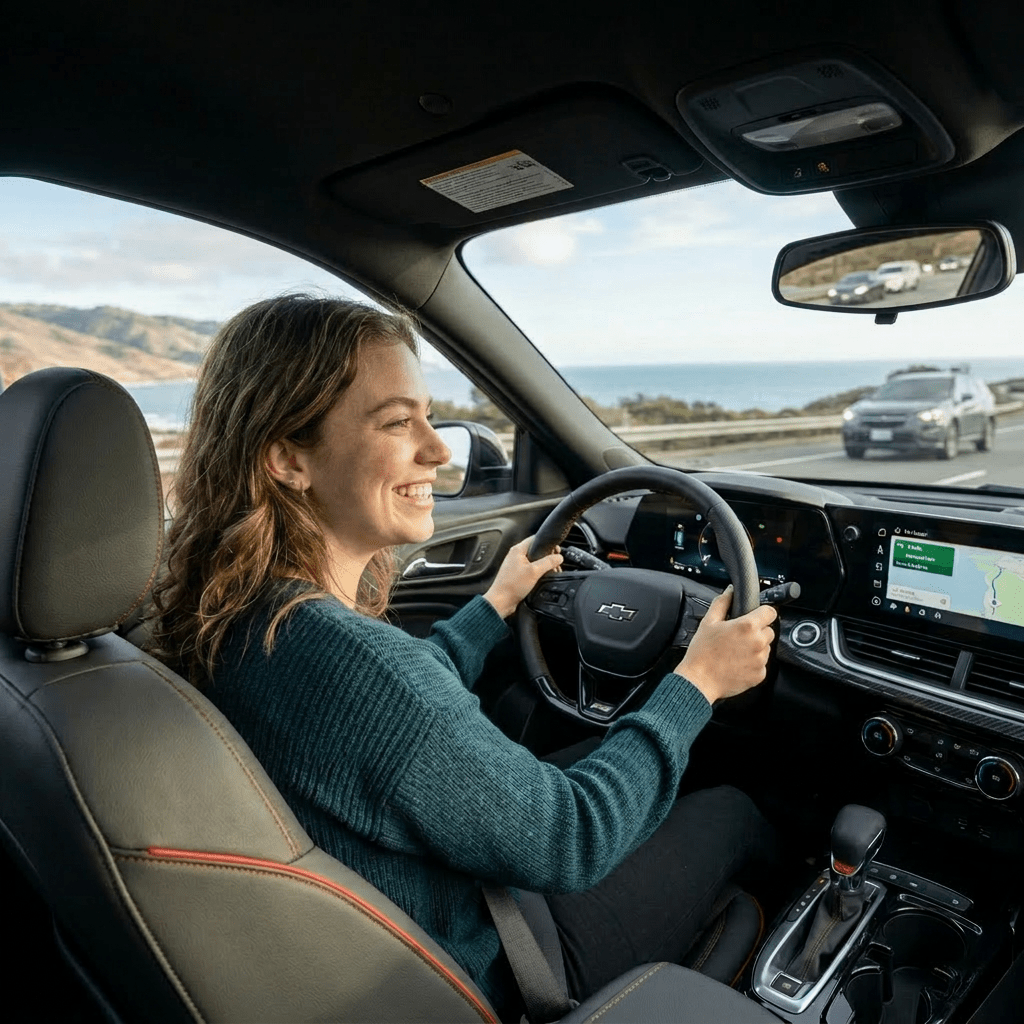
Leasing a vehicle is similar to a long-term rental. Rather than paying for the entire vehicle, you pay for the portion you use during your lease term. Your payment is primarily based on the length of the lease, the kilometers driven, and the vehicle’s expected value at the end of the agreement.
Before signing a lease, it’s important to understand that the vehicle is expected to be returned at the end of the term unless you choose to purchase it. You are responsible for maintaining and caring for the vehicle according to the manufacturer’s recommendations.
One of the major advantages of leasing is that most lease terms fall within the manufacturer’s warranty period, helping reduce unexpected repair costs.
Before entering into a lease agreement, ask yourself the following questions:
Will I need this vehicle longer than 3-4 years?
If yes, remember that you’ll need to either purchase the vehicle at the residual value when the lease ends or enter into another lease or finance agreement.
Do I enjoy driving new vehicles?
If you like having the latest technology, safety features, and styling every few years, leasing may be a great fit.
How far do I typically drive per year?
Lease agreements include an annual kilometre allowance. If you expect to exceed the allowance, additional kilometres can often be purchased upfront at a reduced cost.
What happens if my vehicle is worth more than the residual value upon return?
If the vehicle’s market value is higher than the residual value, you may have equity that can be applied toward your next vehicle. Lease-end obligations vary by lender and lease type
Does it help to have money down?
A larger down payment can reduce your monthly payment. However, lease-end charges for excess wear, damage, or kilometres may still apply depending on the condition of the vehicle and the terms of your agreement.
What happens if I need to get out of my lease early?
Getting out of a lease early is possible, but it can be expensive depending on how much time remains on the agreement and the current value of the vehicle.
Your options may include:
- Trading the vehicle in for another vehicle before the lease ends.
- Purchasing the vehicle outright and either keeping it or selling it.
- Transferring the lease to another qualified individual if your lender permits lease transfers.
- Terminating the lease early, which may result in additional fees and outstanding lease obligations.
In many cases, the vehicle’s market value plays a major role. If the vehicle is worth more than the remaining lease obligation, you may have equity that can help offset costs. If the vehicle is worth less than the remaining obligation, you may need to cover the difference.
Before making any decisions, contact your lender or dealership to review your available options and any associated costs.
Disclaimer: This page is intended for educational purposes only and is not legal or financial advice. Lease regulations and disclosure requirements may change. For official consumer guidance, visit the AMVIC Leasing a Vehicle resource.
I hope that helps!
Drive Safe.
A.
Alberta Motor Vehicle Industry Council. (n.d.). Leasing a vehicle. AMVIC. Retrieved June 18, 2026, from AMVIC Leasing a Vehicle
 Carrhead Alberta